Explore Removery's Clinical Advisory Board, Clinical Research, Abstracts and Safety Data

The Team

Established in 2021, Removery's Clinical Advisory Board (CAB) brings together leading subject matter experts (physicians and scientists) to define best practice standards of care, ensure clinical governance, and support Removery's efforts to become the most trusted authority in tattoo removal.

Portrait of Dr. Joshua Weitz

Dr. Joshua Weitz

Co-CMO

Multi-board-certified physician trained in Internal Medicine, Anti-Aging and Regenerative Medicine, Lasers, Allergy & Immunology, and Rheumatology; has more than 10 years of advanced laser and aesthetic medicine experience, CEO of a leading combined dermatology and plastic surgery practice.

CAB focus: Research and Development, Clinical Operations & Clinical Excellence

Portrait of Dr. William Kwan

Dr. William Kwan

Co-CMO

Board-certified dermatologist with more than 25 years of medical and cosmetic dermatology experience, recognized nationally for his leadership in laser skin procedures, advanced technology integration, and industry guidance with deep expertise in treating clients of all skin types, notably Fitzpatrick IV, V & VI.

CAB focus: Research and Development, Clinical Operations & Clinical Excellence

Portrait of Carmen Vanderheiden Brodie

Carmen Vanderheiden Brodie

VP of Clinical Advancement

Brings more than 20 years of hands-on laser experience as a certified laser specialist, and co-founder of The Finery, one of the first dedicated tattoo-removal organizations, which she grew into a respected leader in the field before its integration into Removery.

CAB focus: Research and Development

Portrait of Dr. Thomas Barrows

Dr. Thomas Barrows

Advisory Board Member

Board certified in Emergency Medicine with expertise in medical laser and tattoo removal technologies, including device design and manufacturing, supported by extensive hands-on experience founding and operating tattoo-removal clinics.

CAB focus: Clinical Operations & Clinical Excellence, Research & Development

Portrait of Dr. Kelly Stankiewicz

Dr. Kelly Stankiewicz

Advisory Board Chair

Board-certified dermatologist who brings advanced ability in medical cosmetic laser treatments and is the owner and operator of The Dermatology House, where she applies innovative laser technologies. She is a national speaker on laser treatment of skin conditions, tattoo removal, and non-invasive skin rejuvenation.

CAB focus: Clinical Operations & Clinical Excellence

Portrait of Michael DeLisi, Ph.D.

Michael DeLisi, Ph.D.

Advisory Board Member

Earned a Ph.D. in biomedical engineering from Vanderbilt University and now oversees biological sciences research as a Section Manager at SAIC's Laser BioEffects Laboratory.

CAB focus: Research and Development

Portrait of Dr. Phil Bekhor

Dr. Phil Bekhor

Advisory Board Member

Principle dermatologist and founder of Laser Dermatology in Melbourne, with pioneering experience in medical laser applications, among the first Australian dermatologists to use lasers for skin treatments.

CAB focus: Clinical Operations & Clinical Excellence

Charter

The Removery Clinical Advisory Board (CAB) is composed of suitably experienced clinicians from across the disciplines of medicine and allied health. The CAB has drawn on the experience, skills, and knowledge of these members to help shape Removery's clinical philosophy, standards, and advancement in tattoo removal.

The CAB acts as:

A central point of subject matter expertise in clinical tattoo removal for the Executive team and Board.
An interface between Removery and the wider industry, including professional bodies and regulators where appropriate.

The Removery Clinical Advisory Board

  • Advocates for and disseminates best practice standards of care to all studios, team members, and associates in the Removery group.

  • Advocates for and conducts assessments on clinical service delivery standards within the Removery group.

  • Is responsible for assessing new treatment interventions and integrating the credentialing of these (where appropriate) into the training program.

  • Acts as an agent for change not only within Removery studios but also in representing Removery at industry and government levels where appropriate.

  • Reviews clinical content, including case studies, client stories, and marketing materials, for accuracy and philosophical alignment.

  • Reviews proposals for new and innovative tattoo removal approaches, including adjuncts to laser treatment and new devices entering the market.

  • Reviews and provides advice on the Removery clinical training and advancement program.

  • Aids in developing, reviewing, and guiding clinical research initiatives to establish best practices for medical publication and conference presentation.

Initiatives

  • Review and maintain current lists of contraindications, including relevant medical conditions and medication interactions.
  • Review safety data with emphasis on adverse events, side effects, and risk mitigation.
  • Review and, when appropriate, conduct preliminary evaluations or pilot studies of prospective adjunctive therapies, including:
    • Rapid Acoustic Pulse device (Resonic)
    • Topical exosomes (Benev)
    • Hydrogel comfort patch (KleerAid)
    • Glacial Rx as a potential adjunct modality
    • Gel-based perfluorodecalin formulations (ClearIT, Clear Intradermal Technologies)
    • Merz perfluorodecalin patch
  • Review novel ink formulations for potential clearance characteristics, including Inque and Ephemeral Ink.
  • Review and provide evidence-based recommendations for aftercare protocols and pre- and post-treatment cryotherapy (icing).
  • Conduct annual evaluations of alternative laser and energy-based technologies.
    • Devices tested include Cutera, Helios, Quanta, and Lutronic.
    • Devices evaluated include Naama, Laser Optics, and Fotona.
  • Participate in, contribute to, and present at the Annual Meeting of the American Society for Laser Medicine and Surgery (ASLMS).

Clinical Research

Removery Method

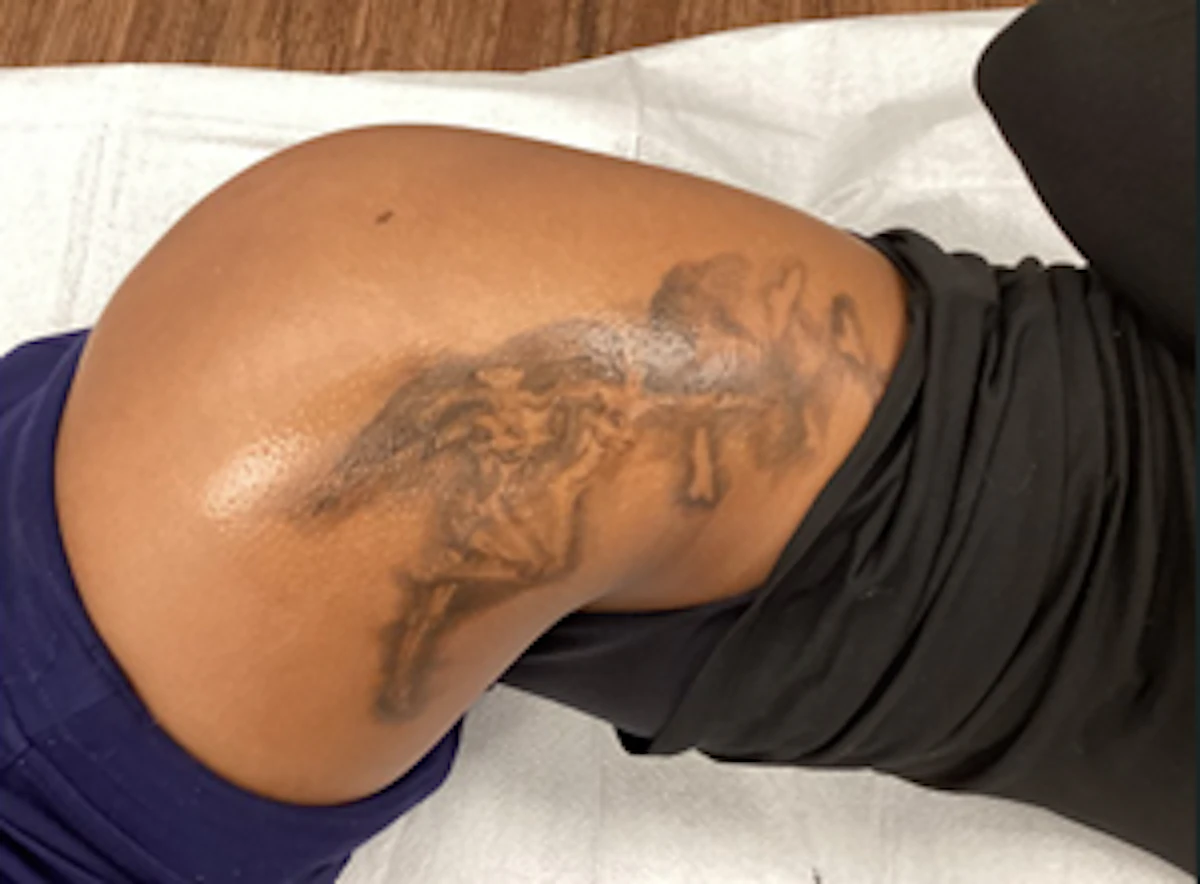
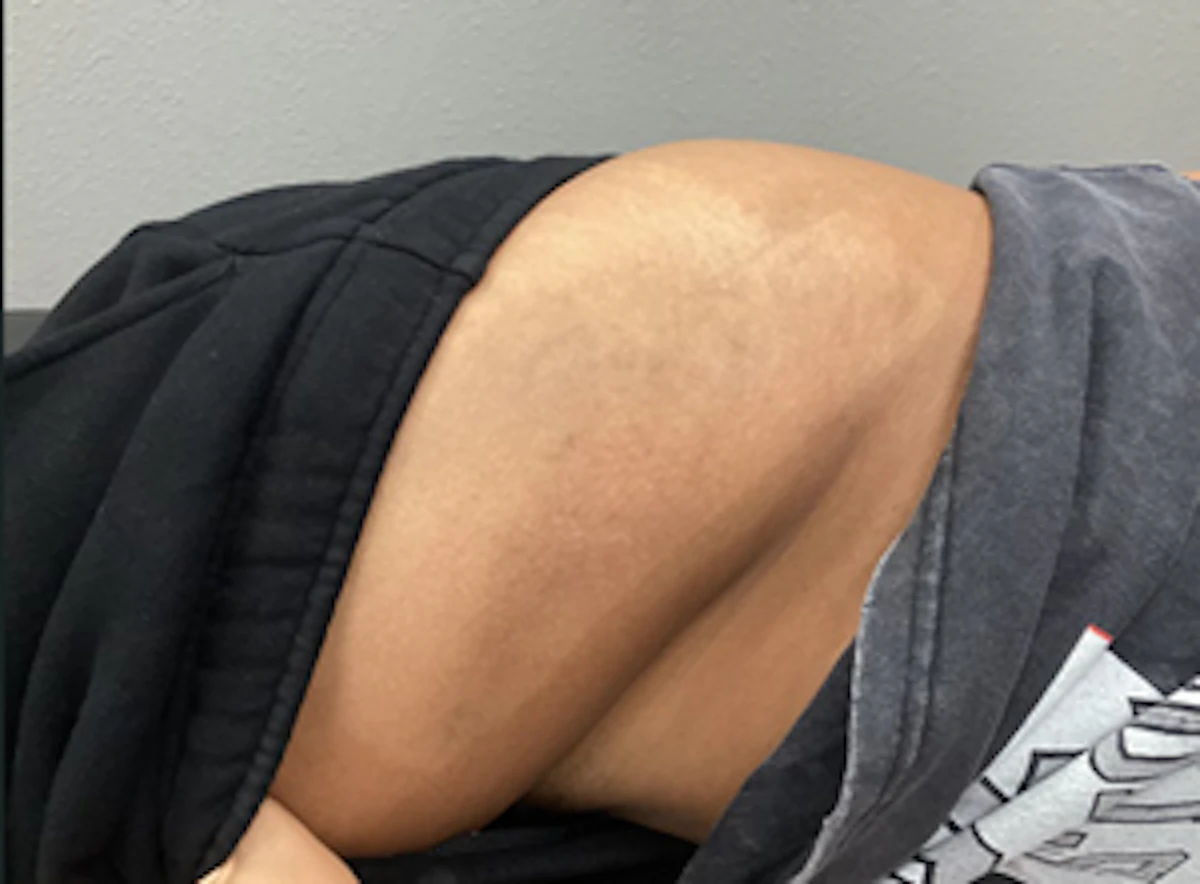
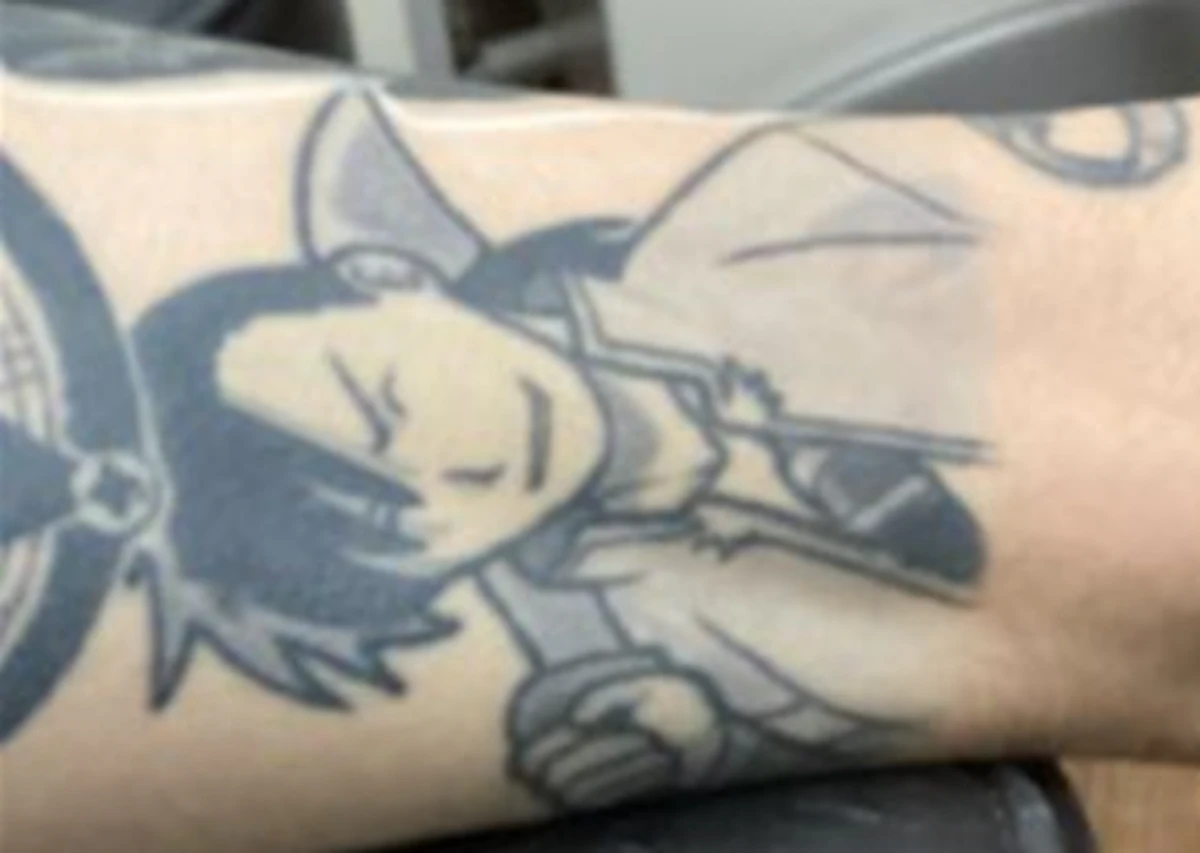
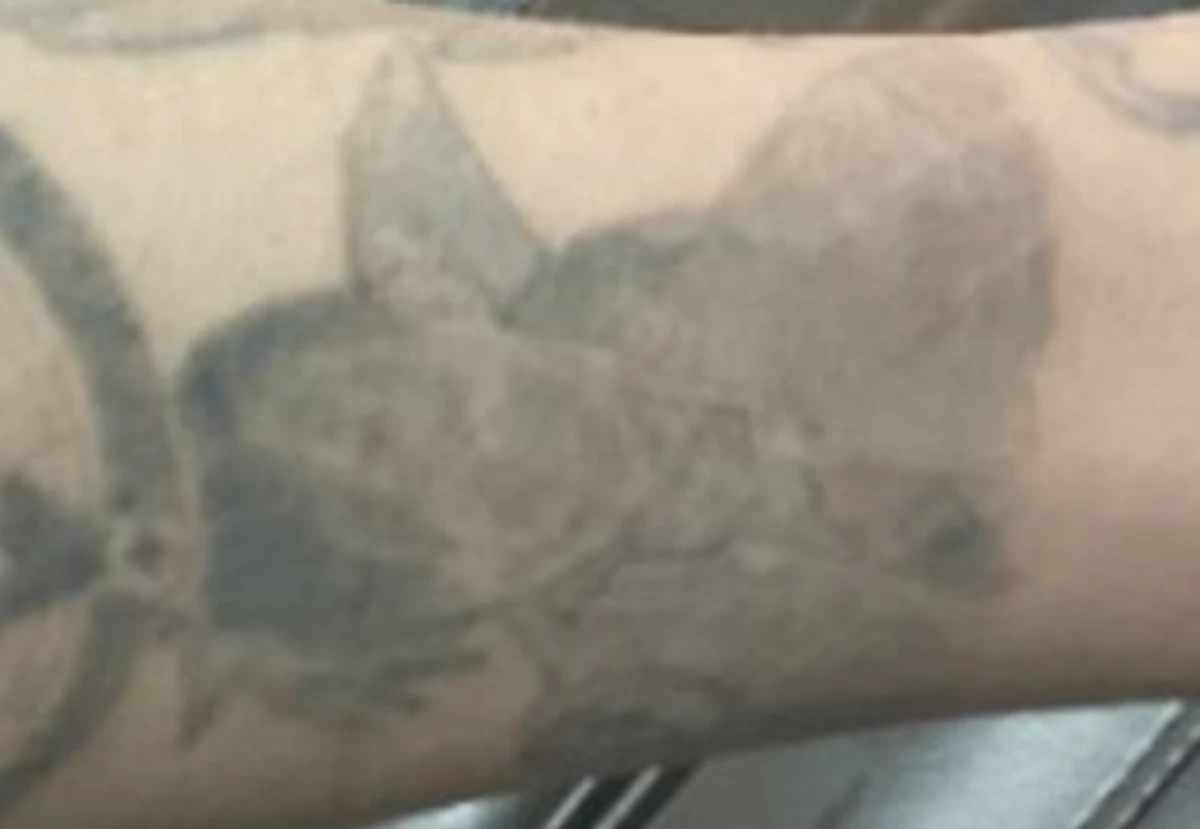
Developed by the CAB, Removery Method serves as a proprietary best practice standard of care that emphasizes safety and clinical efficacy across Fitzpatrick Skin Types I–VI, with the objective of optimizing the total number of laser treatments required.

Fitzpatrick Skin Type V – 11 treatments
Fitzpatrick Skin Type VI – 9 treatments
Fitzpatrick Skin Type IV – 12 treatments

Removery Method Color

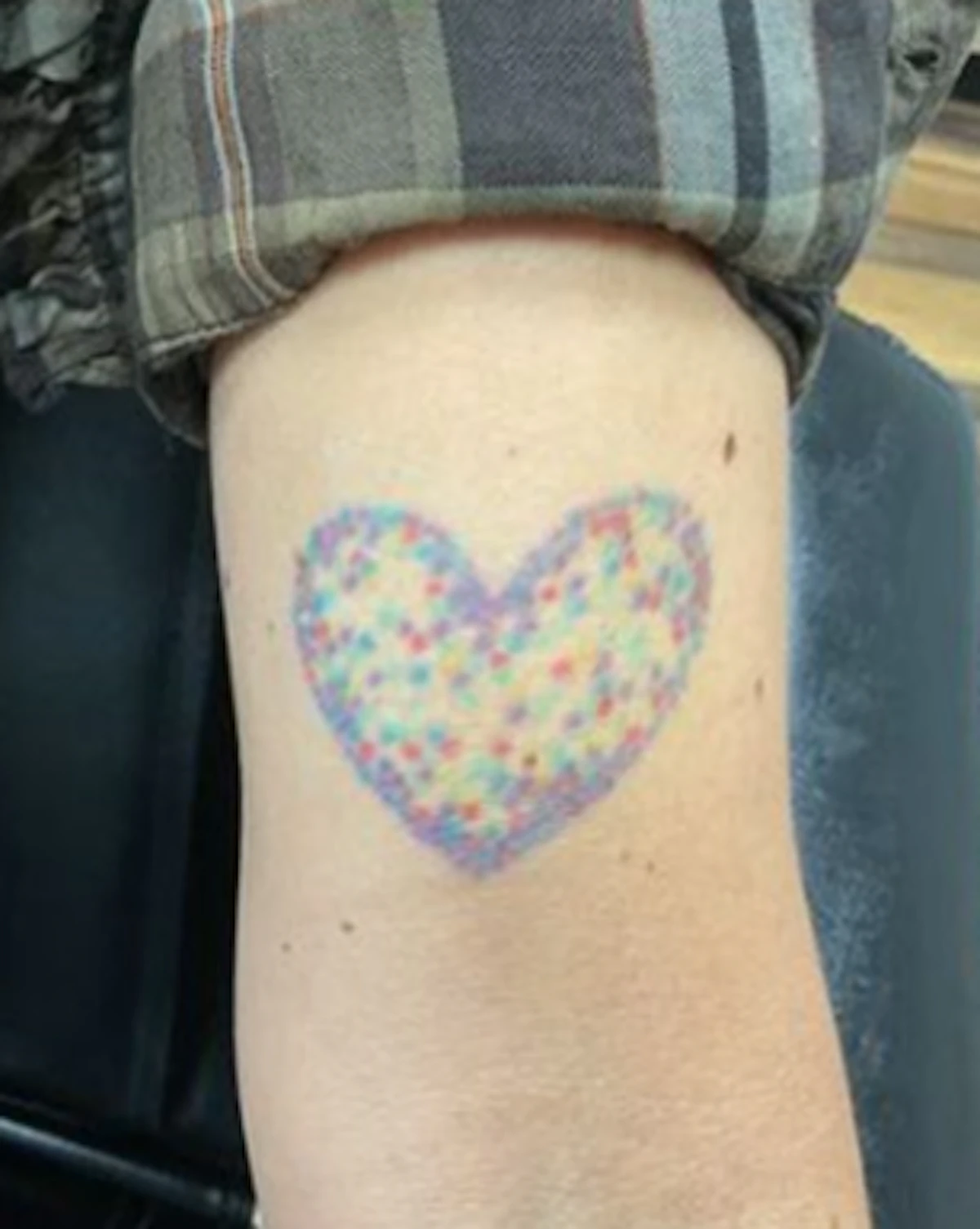
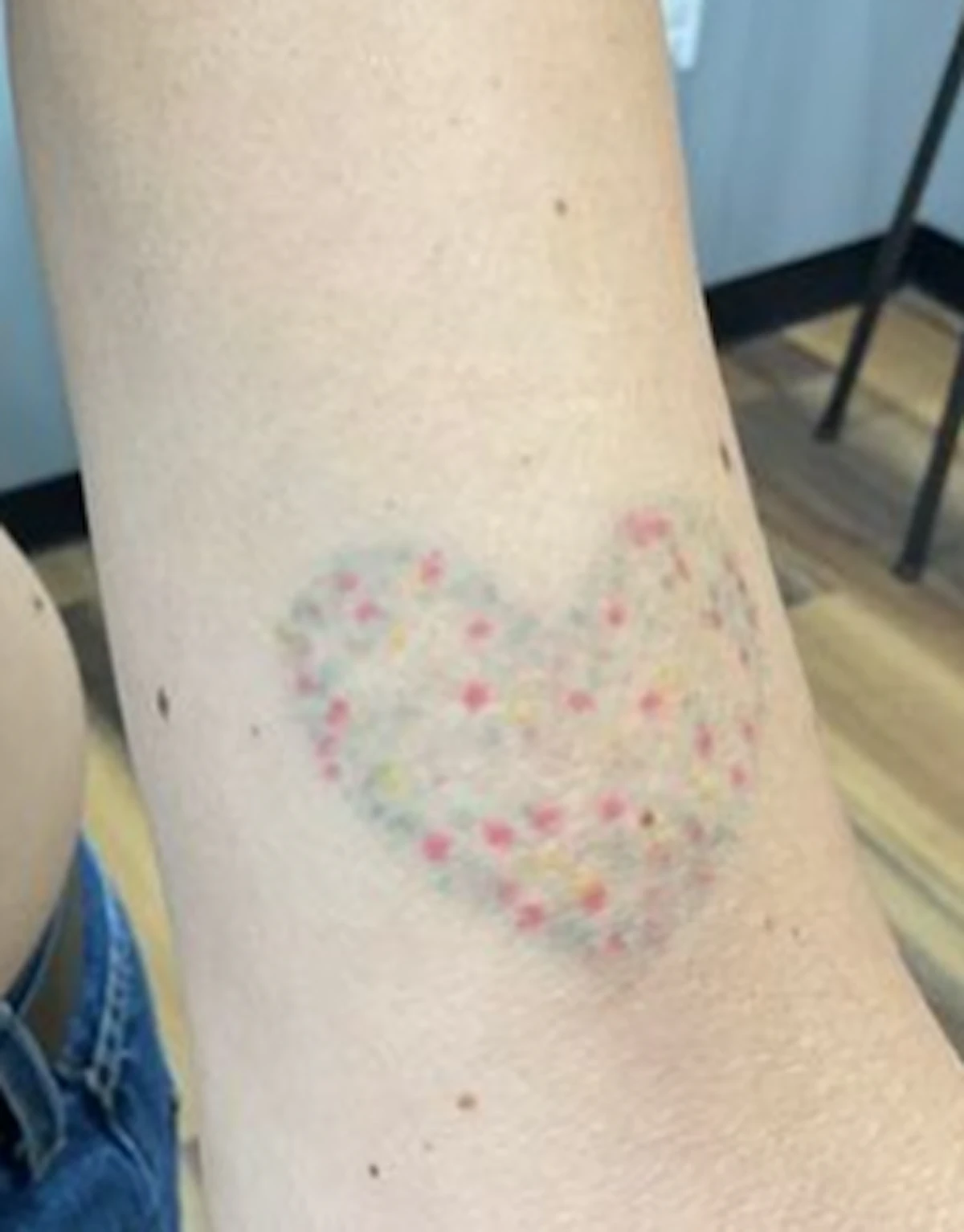
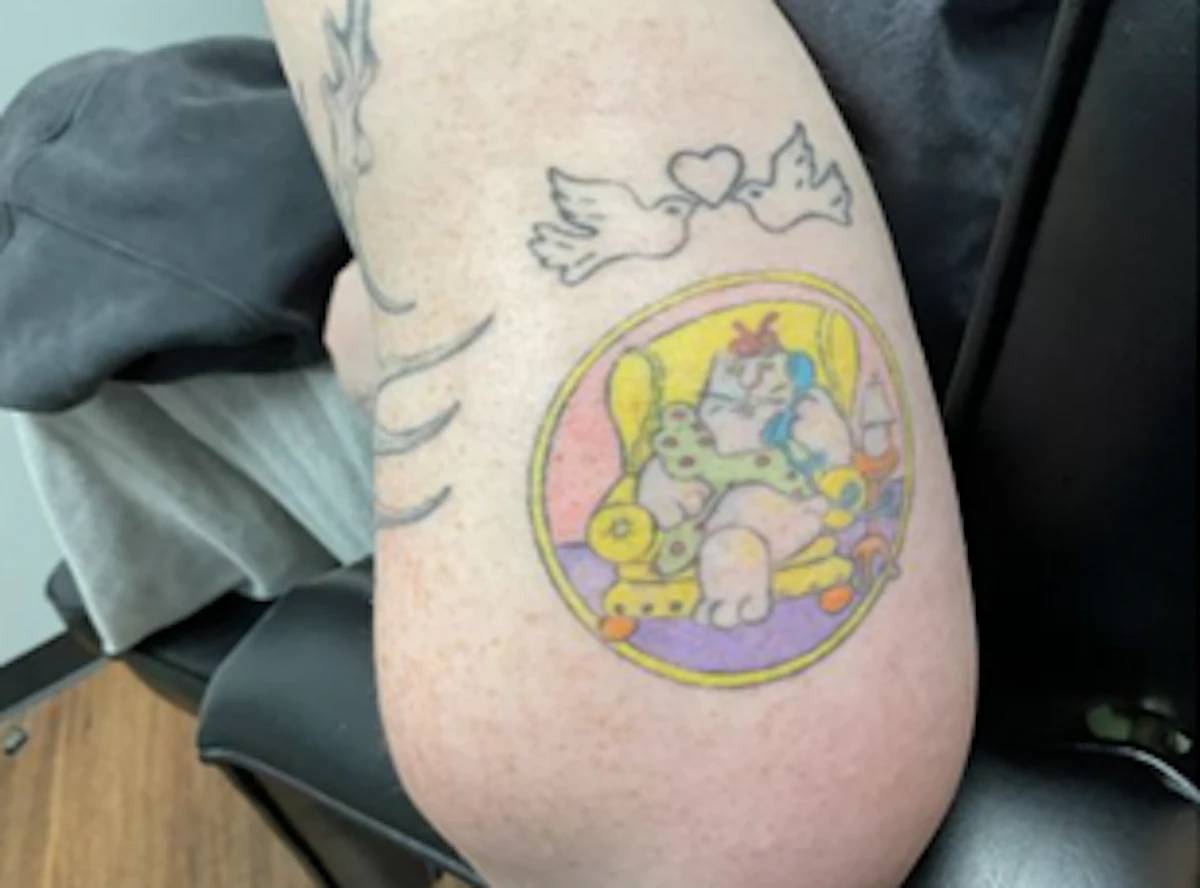
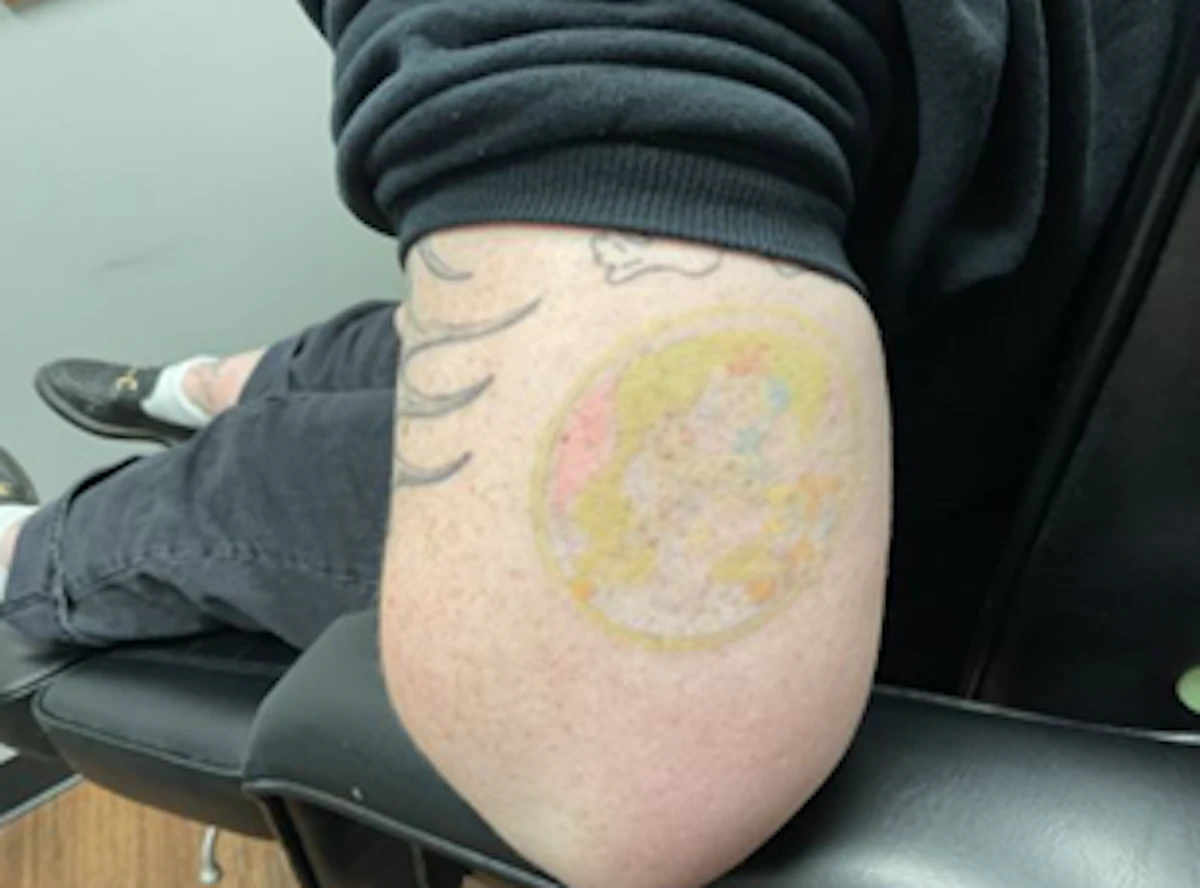
Recently developed by the CAB and implemented in October 2025, Removery Method Color serves as a proprietary best practice standard of care that emphasizes safety and clinical efficacy across the removal of colored ink across Fitzpatrick Skin Types I–IV, with the objective of optimizing the total number of laser treatments required.

Fitzpatrick Skin Type III – 1 treatment using Removery Method Color
Fitzpatrick Skin Type I – 2 treatments using Removery Method Color
Fitzpatrick Skin Type I – 1 treatment using Removery Method Color

Cosmetic Ink Best Practices

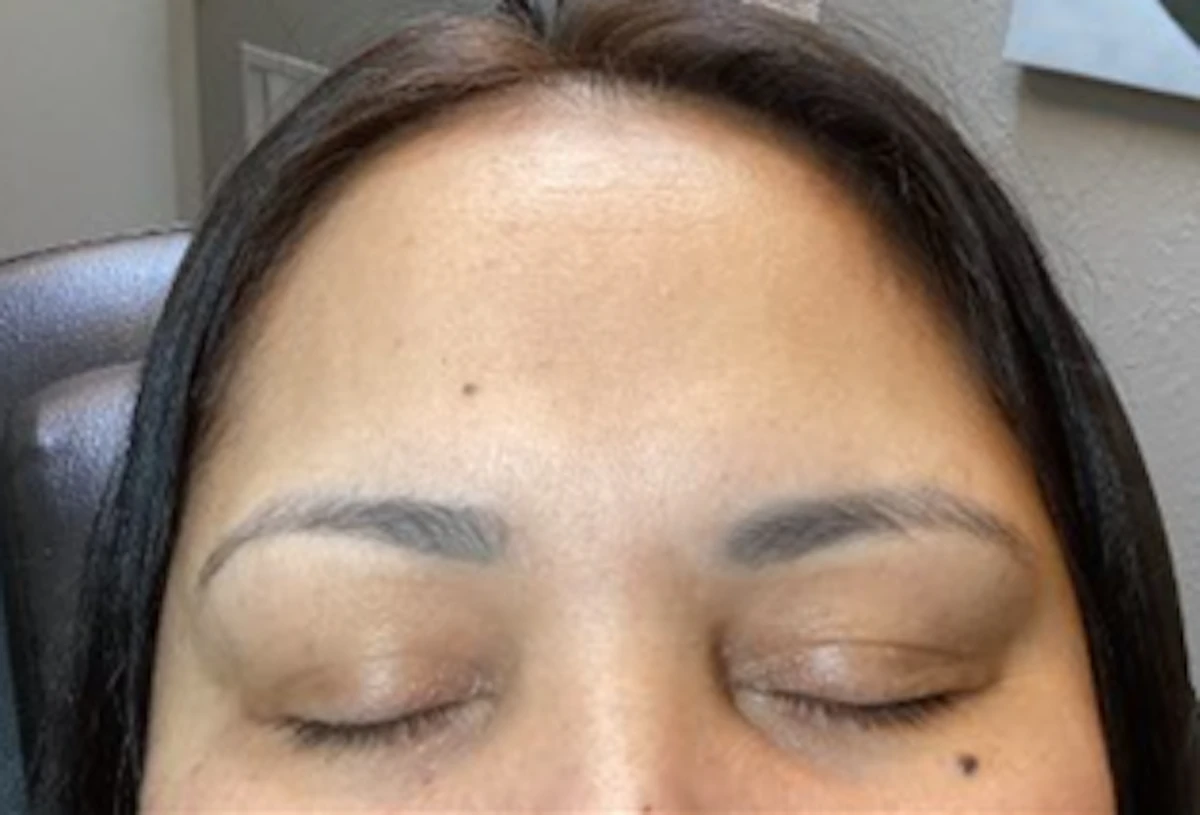
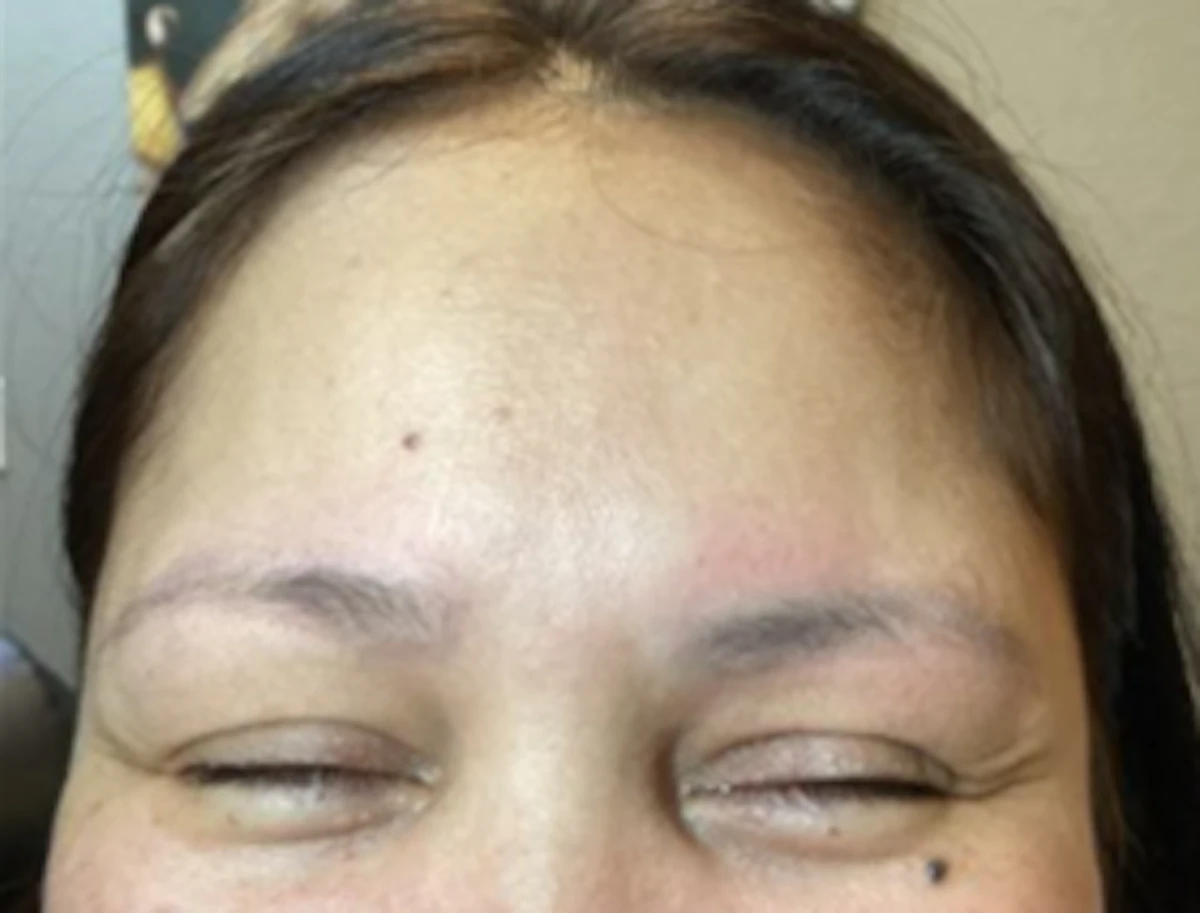
Cosmetic ink tattoos, including eyebrows, can be challenging to treat as their metal salt pigments often shift color during laser exposure, leading to client dissatisfaction. To address this, the CAB developed and piloted a safe and effective single-treatment, multi-pass protocol, completing twenty-nine treatments with no adverse events and high client satisfaction.

Since its implementation in 2024, the protocol has been used in 1,536 treatments, optimizing both treatment outcomes and the client experience, and eyebrows are now among the highest-satisfaction procedures performed.

Fitzpatrick Skin Type IV – 1 treatment
Fitzpatrick Skin Type II – 2 treatments

Fresh Tattoo Ink Best Practices

Laser tattoo removal of recently applied tattoos (less than 14 days old) was evaluated in a pilot study of twenty-four subjects seeking urgent removal, using a hydrogel pad in combination with standard Removery Method best practices. Based on these findings, the CAB developed the Fresh Ink best practices and standard of care to optimize safe and effective treatment for clients seeking immediate removal, supported by pilot results demonstrating no adverse events and strong clinical tolerance.

Since implementation, 384 clients have been treated safely with no increase in adverse event reporting, and Naama® outcomes, including treatments performed 24 hours, 3 weeks, and 6 weeks after application, were published and presented at the 2025 ASLMS Conference by Dr. William Kwan, board-certified dermatologist, Removery Co-CMO, and CAB member.

A:
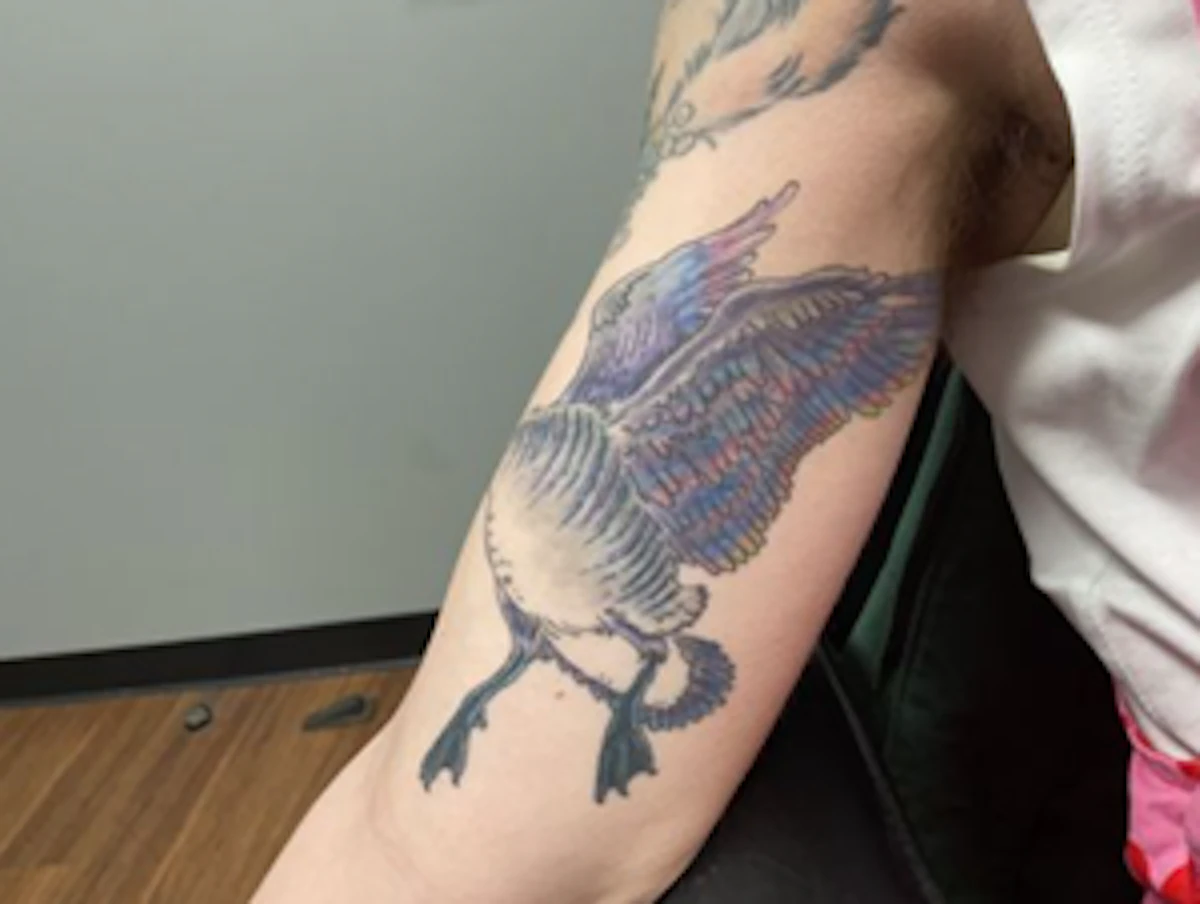
1 treatment 24 hours after tattoo application
B:
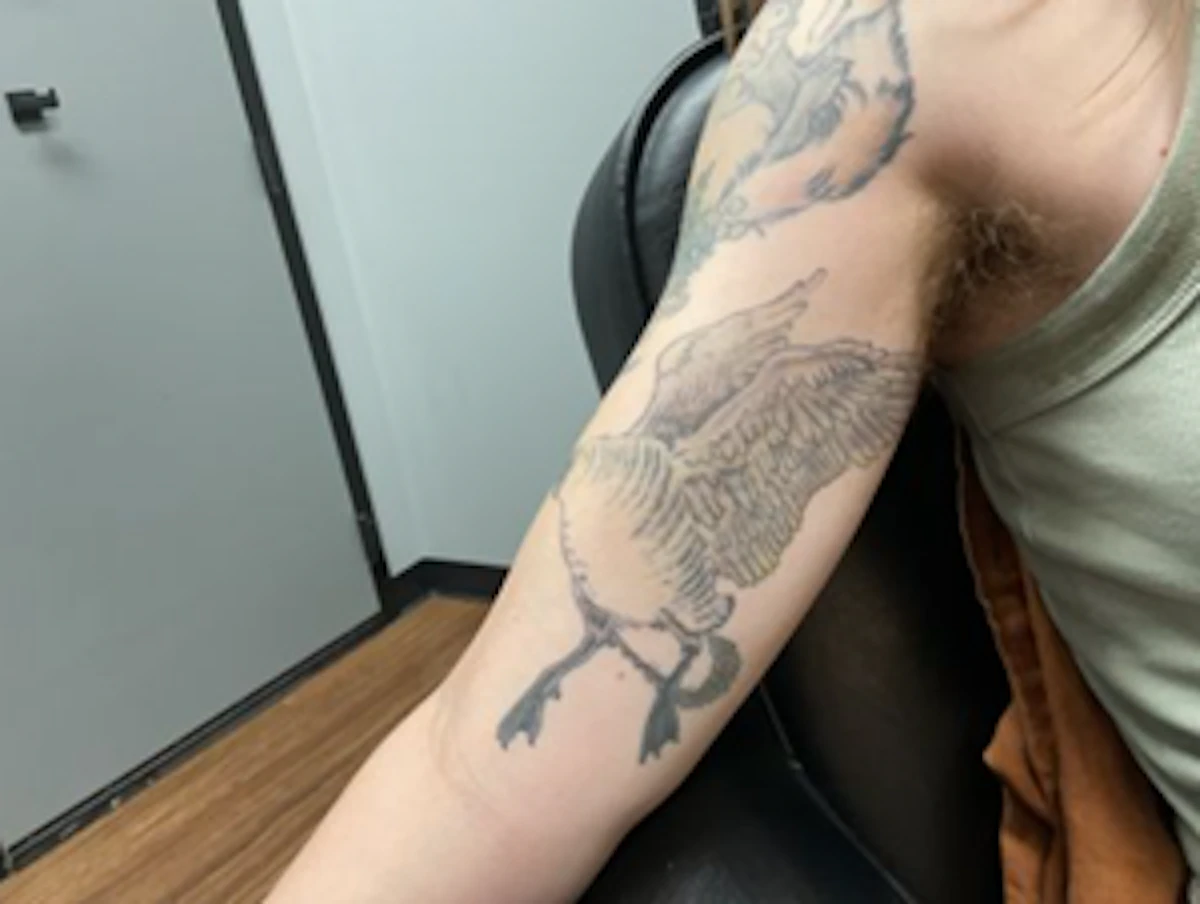
1 treatment 3 weeks after tattoo application
C:
1 treatment 6 weeks after tattoo application

White Ink Clinical Research

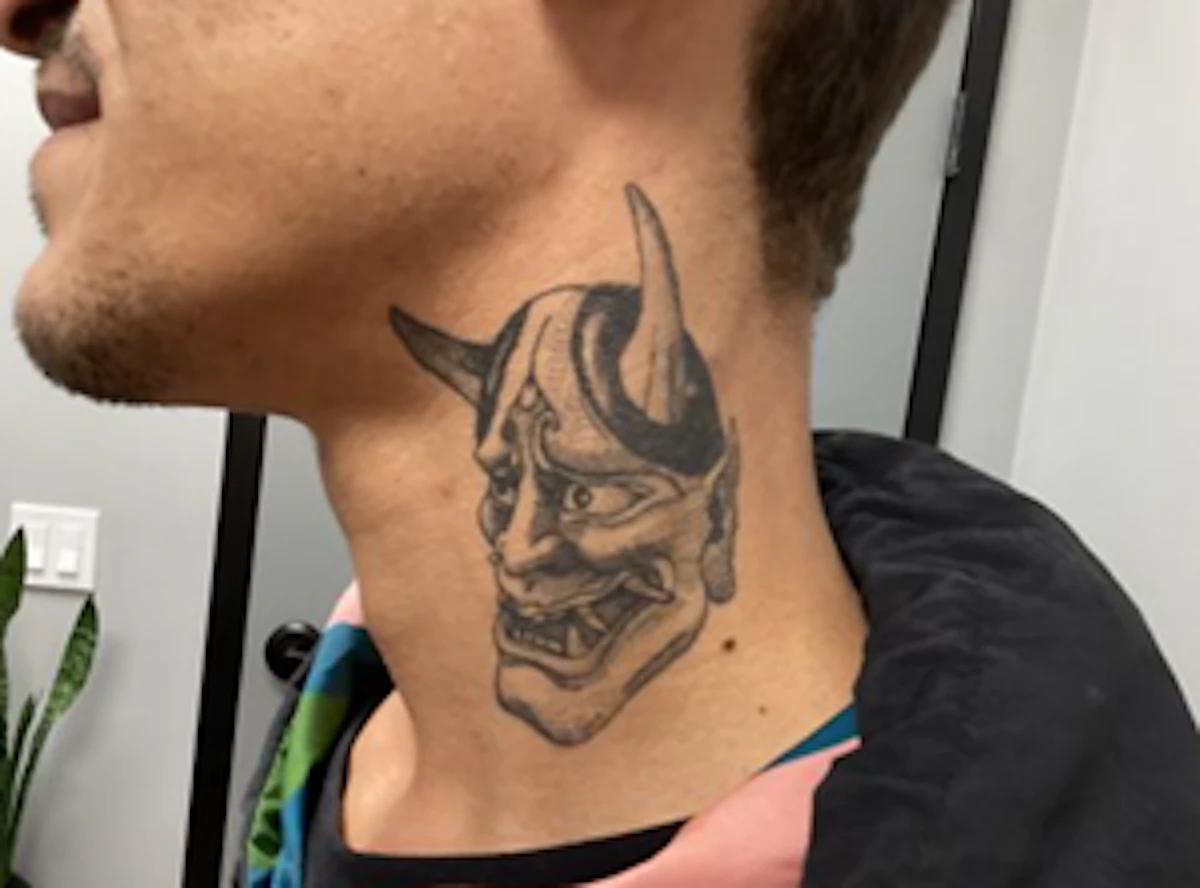
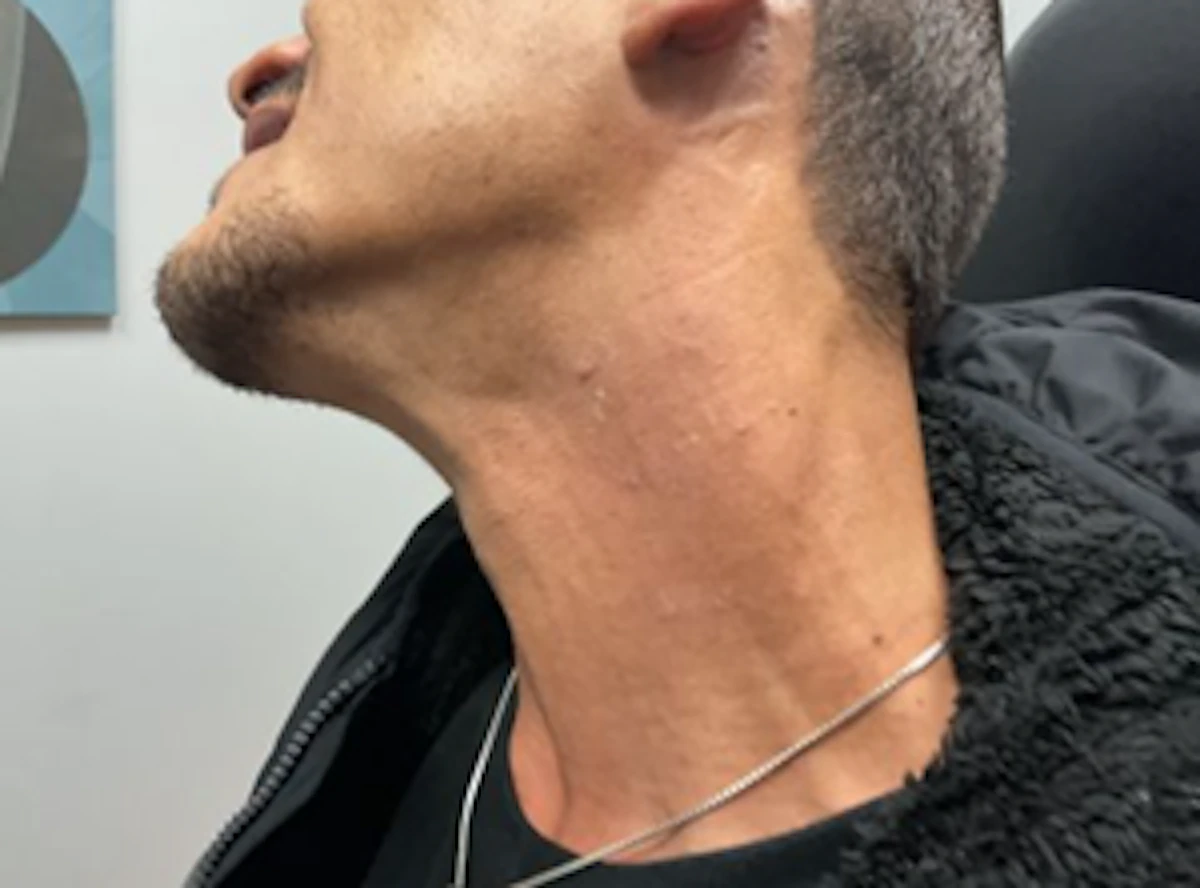
Qualitative interviews with tattoo artists indicate that brightly colored and gray-scale tattoos commonly contain multiple pigment types, with white pigment frequently added to enhance brightness or modify tonal depth. In our internal in vivo and in vitro studies, we were unable to induce paradoxical darkening in tattoos containing white ink, although the phenomenon remains scientifically plausible and has been reported in association with pigments containing titanium dioxide or iron oxide.

Paradoxical darkening is believed to result from photo-induced chemical reduction or structural alterations of pigment particles during laser exposure, causing them to appear darker rather than lighter. While these reactions are well described, they are not consistently reproducible, suggesting that factors such as ink pigment formulation, particle size, and carrier components influence risk. We are continuing our clinical research to better characterize these mechanisms and to further advance our approach for safe, effective and optimal treatment approaches for clients with tattoos containing white ink.

Fitzpatrick Skin Type III – Paradoxical darkening after 4 treatments

Abstracts & Presentations

ASLMS Conference 2024

Twenty-2 Month Safety Evaluation of Laser Tattoo Removal: Findings from Nearly a Half Million Treatments

Weitz, J., Kwan, W., Schomacker, K., Bastidas, J., Barrows, T., Brodie, C., & Korah, E. (2024). Twenty-2 month safety evaluation of laser tattoo removal: Findings from nearly a half million treatments. Abstract presented at the 2024 Annual Conference of the American Society for Laser Medicine and Surgery (ASLMS). Available via the ASLMS Abstracts & ePosters portal.

Equivalence in Tattoo Clearance: A Prospective, Randomized, Single-Blinded Comparison of Laser Tattoo Removal With and Without Rapid Acoustic Pulse Technology

Kwan, W., Barrows, T., Schomacker, K., Smudra, M., & Brodie, C. (2024). Equivalence in tattoo clearance: A prospective, randomized, single-blinded comparison of laser tattoo removal with and without rapid acoustic pulse technology. Abstract presented at the 2024 Annual Conference of the American Society for Laser Medicine and Surgery (ASLMS). Available via the ASLMS Abstracts & ePosters portal.

ASLMS Conference 2025

Assessing the Safety of Picosecond Laser for Tattoo Removal Within 14 Days of Tattoo Application: A Pilot With 62 Subjects

Weitz, J., Barrows, T., Schomacker, K., Vanderheiden, C., Korah, E., Bastidas, J., Smudra, M., Kwan, W., & Stankiewicz, K. (2024). Assessing the safety of picosecond laser for tattoo removal within 14 days of tattoo application: A pilot with 62 subjects. Abstract presented at the 2024 Annual Conference of the American Society for Laser Medicine and Surgery (ASLMS). Available at the ASLMS Abstracts & ePosters portal.

Trends and Demographics in Tattoo Removal: Insights From the Largest Multinational Database

Stankiewicz, K., Weitz, J., Barrows, T., Schomacker, K., Vanderheiden, C., Korah, E., Bastidas, J., & Kwan, W. (2024). Trends and demographics in tattoo removal: Insights from the largest multinational database. Abstract presented at the 2024 Annual Conference of the American Society for Laser Medicine and Surgery (ASLMS). Available at the ASLMS Abstracts & ePosters portal.

ASLMS Presentations

2024 Conference

TWENTY-TWO MONTH SAFETY EVALUATION OF LASER TATTOO REMOVAL: FINDINGS FROM NEARLY A HALF MILLION TREATMENTS

Presenting Author: Joshua Weitz, MD - Removery, Austin, TX

2025 Conference

ASSESSING THE SAFETY OF PICOSECOND LASER FOR TATTOO REMOVAL WITHIN 14 DAYS OF TATTOO APPLICATION: A PILOT WITH 62 SUBJECTS

Presenting Author: William Kwan, MD, FAAD - Removery, Austin, TX

TRENDS AND DEMOGRAPHICS IN TATTOO REMOVAL: INSIGHTS FROM THE LARGEST MULTINATIONAL DATABASE

Presenting Author: Joshua Weitz, MD - Removery, Austin, TX

2026 Conference

Tattoo Removal 360

Date: Saturday May 9, 2026

Time: 3:55 PM – 4:15 PM EDT

Location: Chatham BC

Faculty: William Kwan, MD, FAAD - Golden State Dermatology - Beverly Hills

Join Dr. William Kwan, board-certified dermatologist at Golden State Dermatology - Beverly Hills and Co-CMO of Removery, for an engaging session on modern tattoo removal. Dr. Kwan will share Removery's demographic data, clinical best practices, and a series of complex tattoo removal cases during Tattoo Removal 360.

Removery Safety Data

Following full implementation in 2023, Removery adopted a standardized clinical escalation reporting system to enable systematic monitoring, documentation, and resolution of client clinical inquiries, as well as reported adverse events related to laser tattoo removal.

Annual Treatment Volume and Cumulative Total (2018-2026)

201820192020202120222023202420252026Total
67,341103,557107,922176,591222,066288,343388,203532,239150,8322,037,094

Annual and Cumulative Incidence of Treatment‑Related Adverse Events Relative to Treatment Volume (2023–2026)*†

2023202420252026Total
288,343388,203532,239150,8321,359,617
0.26%0.27%0.32%0.28%0.29%

* Annual percentages are calculated as the total number of reported treatment‑related adverse events divided by the total number of treatments completed within the same calendar year. † Standardized adverse event reporting and monitoring procedures were implemented in 2023; data prior to this period was not collected using uniform methodology.

Cumulative Treatment-Related Adverse Events as a Percentage of Total Treatments by Category (2023–2026)*

Adverse Event CategoryPercentage of Total Treatments (%)
Blistering0.1082%
Bruising/Purpura0.0117%
Dyspigmentation0.0580%
Eczema Flare Up0.0018%
Edema/Erythema0.0116%
Incorrect Tattoo Treated0.0016%
Localized Paresthesia0.0010%
Malaise/Nausea/Pain0.0119%
Pinpoint Bleeding0.0096%
Red Ink Hypersensitivity0.0057%
Scarring0.0022%
Shortness of Breath/Chest Pain0.0013%
Syncopal Episode0.0040%
Thermal Injury (Cold)0.0081%
Undisclosed Contraindication0.0004%
Urticaria / Pruritus0.0528%
Total (All Categories):0.2899%

*Each percentage represents the percentage of total treatments associated with a specific adverse event category. When all adverse event categories are combined, the cumulative incidence across all treatments from 2023–2026 is approximately 0.29%.